11 Heirloom Varieties.
9,200 Plants.
One Obsessive Family.
We pick when the skin splits. We deliver before tomorrow's lunch prep. No cold storage. No compromises. Named cultivars, not commodity fruit.
Vine to your walk-in
Sun Gold sugar content
Named heirloom varieties
Current availability · Case pricing · Delivery windows
Average soil temperature at peak season
Our rows face southwest on a 6% slope. By 2pm, the soil radiates heat back into the canopy from below while the sun works from above. That double-sided warmth is why our fruit develops sugars that cool-climate tomatoes never reach. We planted it this way on purpose.
Sugar content in our Sun Golds at harvest
A supermarket tomato tests at 4–6 Brix. A decent farmer's market tomato might hit 8. Our Sun Golds consistently register 22 — the same range as good wine grapes. The method is dry-farming: we cut irrigation 30 days before harvest, forcing roots down 4 feet and concentrating every sugar the plant has made.
From vine to your walk-in refrigerator
We pick before 7am while night cold is still in the fruit. By 8am the crates are loaded. By noon your driver has them. We don't wash, wax, or gas. We don't sort by size. We sort by ripeness — the only metric that matters when you're paying what you're paying.
Days in cold storage before delivery
Cold storage is where tomato flavor goes to die. Temperatures below 55°F break down the enzymes that create volatile aroma compounds — the molecules responsible for that smell when you slice into a ripe tomato. Once broken, they don't come back at room temperature. We skip the cold chain entirely.
The Four Rules
We didn't invent these methods. We just refuse to compromise on any of them.
Dry-Farming
We cut irrigation 30 days before harvest. The vines go looking for water and find it 4 feet down in the subsoil. The stress concentrates sugars and develops flavor compounds that well-watered plants never produce. It also means we lose 20% of our yield every season. That's the trade we make.
−20% yield. +300% flavor density.
Hand-Pollination
Beefsteak varieties don't self-pollinate reliably in our climate. We walk the rows every morning during bloom — 9,200 plants — and vibrate each flower cluster by hand to release pollen. It takes three people five hours. We've done it every day since the first season.
9,200 plants. 3 people. 5 hours daily.
Ripeness Sorting
We don't sort by size, color uniformity, or shelf life. We sort by the feel of the fruit under thumb pressure and by the crack pattern at the stem. A tomato that has split slightly from sugar pressure is ready. A tomato that feels hollow is not, regardless of how it looks.
0 cosmetic grading. 100% flavor grading.
No Cold Storage
Every tomato we pick is either delivered that day or the next. We don't own a commercial cooler. We don't need one — if it can't move in 24 hours, we didn't pick it at the right time. The no-cold-chain constraint forces us to be right about ripeness before the knife hits the fruit.
24-hour maximum from vine to delivery.
The 11 Varieties
Each variety is grown for a specific purpose. We don't grow anything that doesn't have a reason to exist on your menu or in your kitchen.
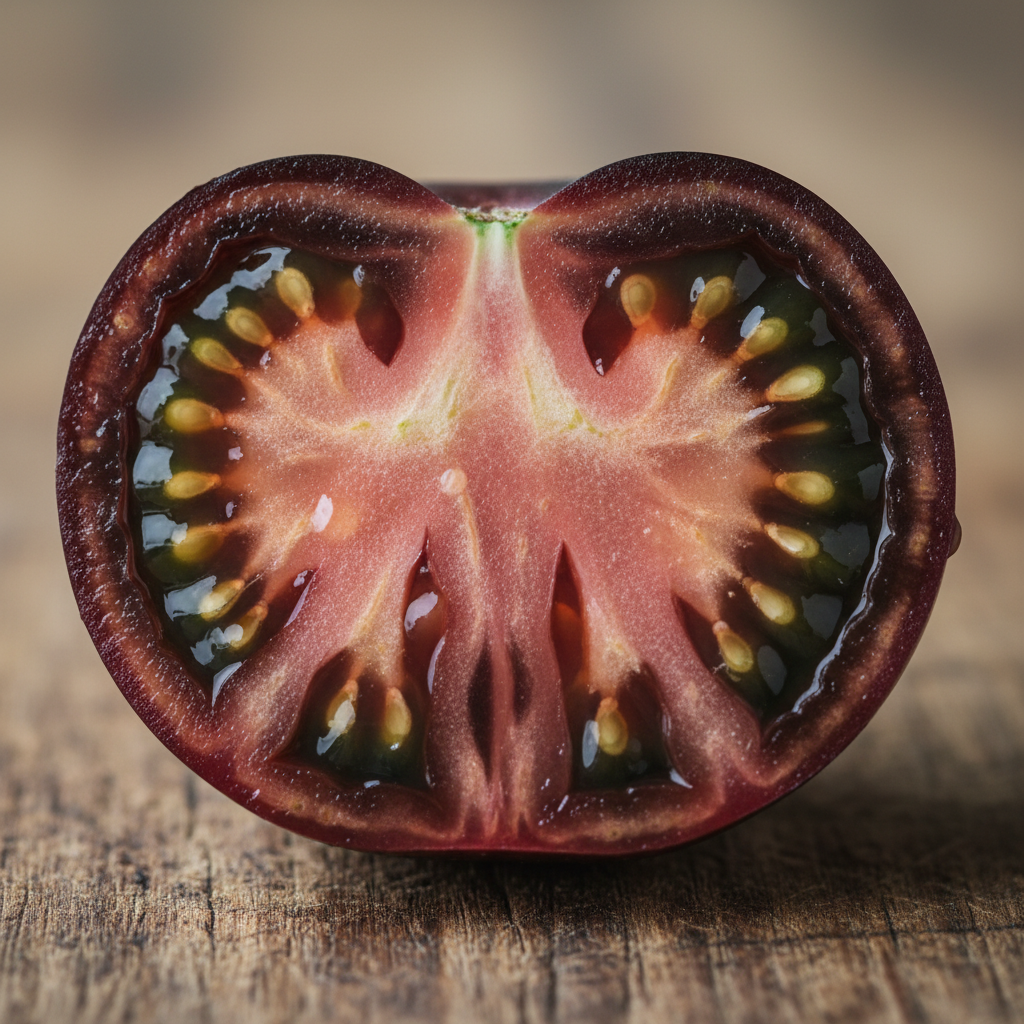
Cherokee Purple
12–16 ozTennessee, pre-1890
“Smoky, complex, low-acid wine notes”
Best for: Raw plates, charcuterie, cheese boards
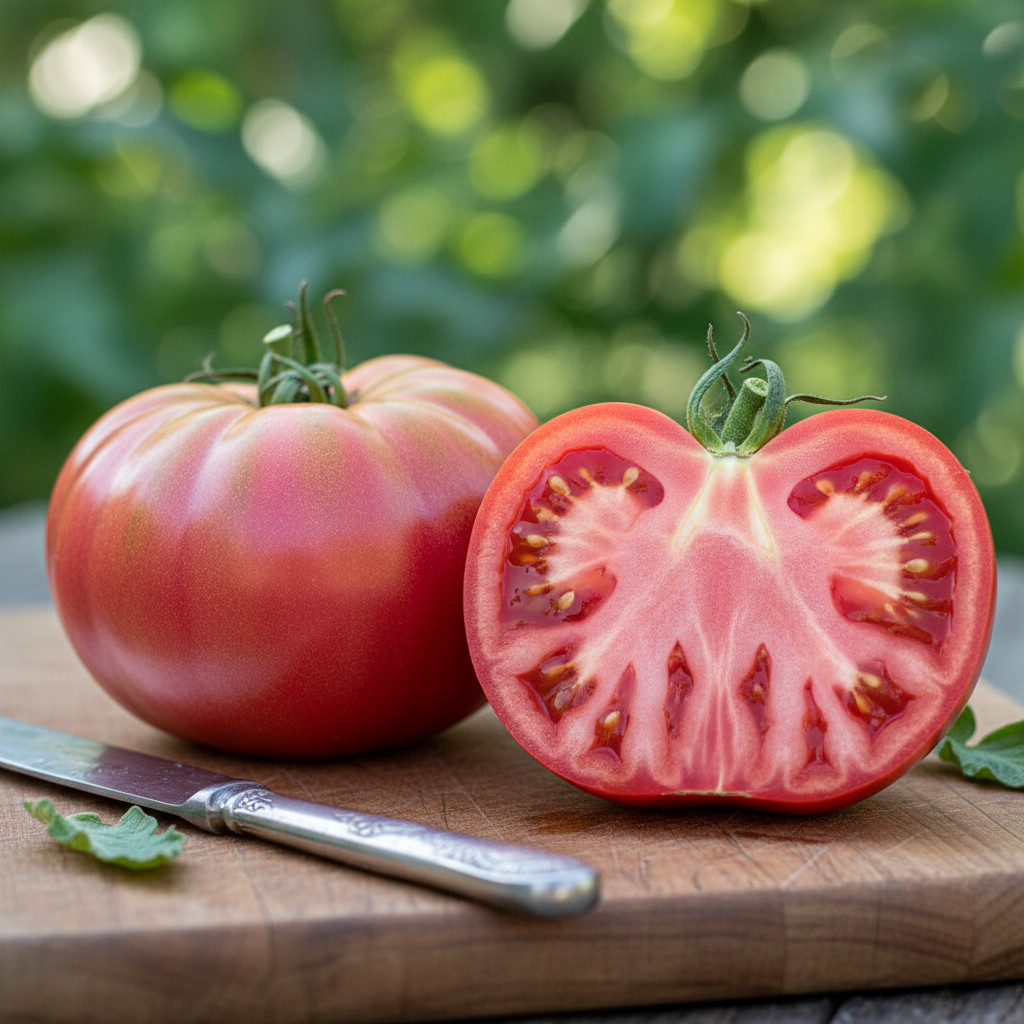
Mortgage Lifter
1–2 lbsWest Virginia, 1930s
“Sweet, meaty, almost no seeds”
Best for: Sliced for service, bruschetta, Caprese
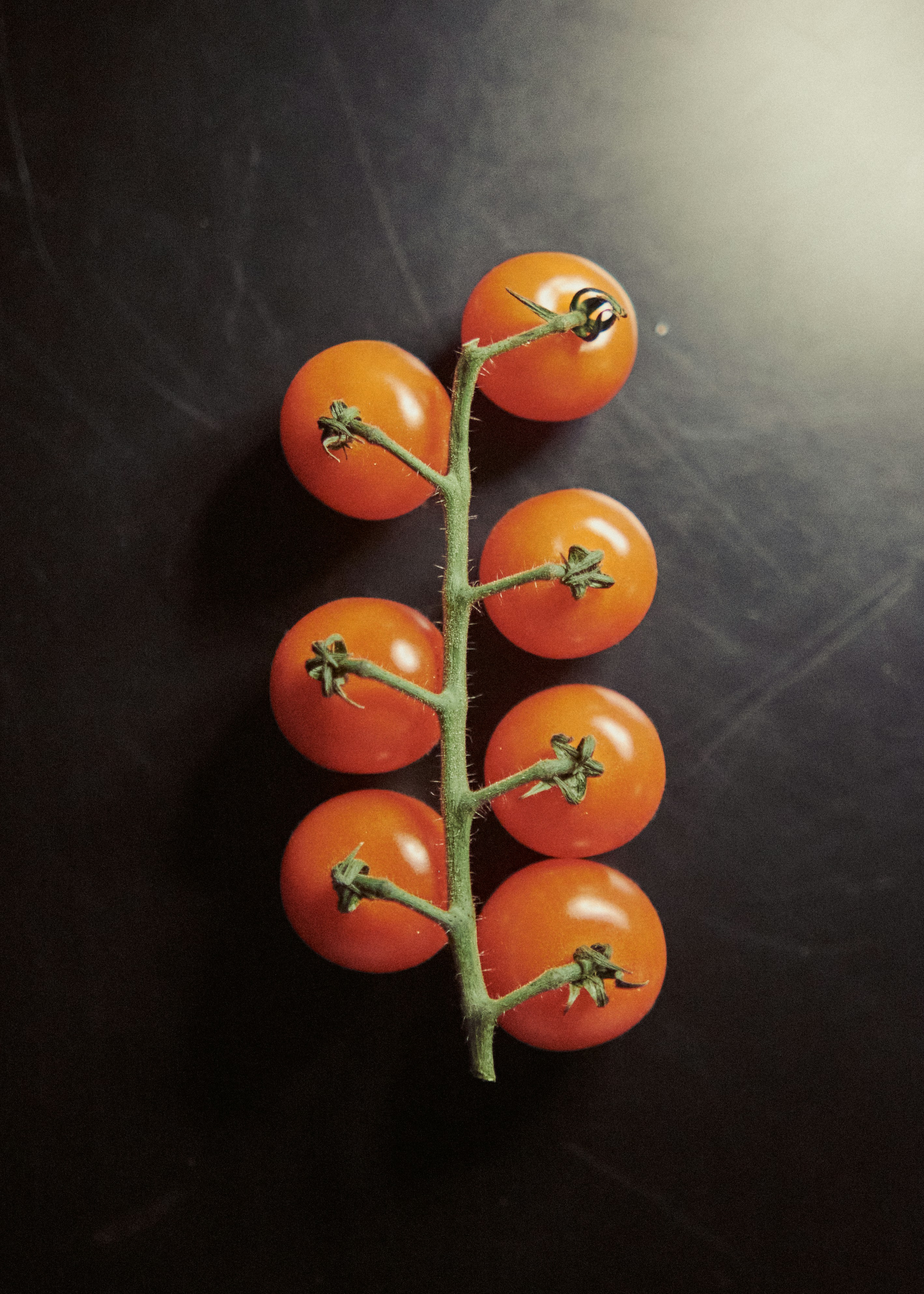
Sun Gold
1 oz eachJapanese hybrid, 1992
“22 Brix. Tropical, tangerine sweetness”
Best for: Garnish, salads, roasting whole
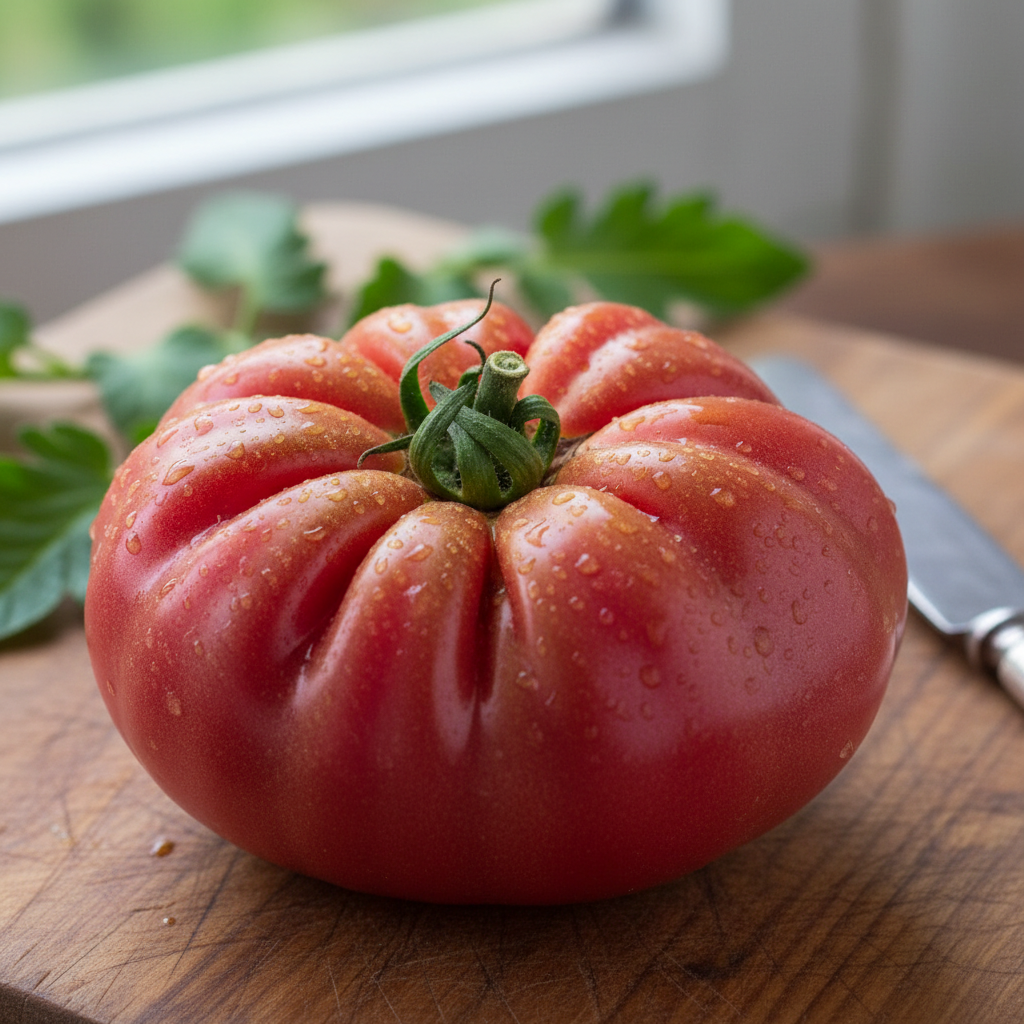
Brandywine
10–16 ozAmish community, 1885
“Classic rich tomato — the benchmark”
Best for: Soups, sauces, slow-cooked applications
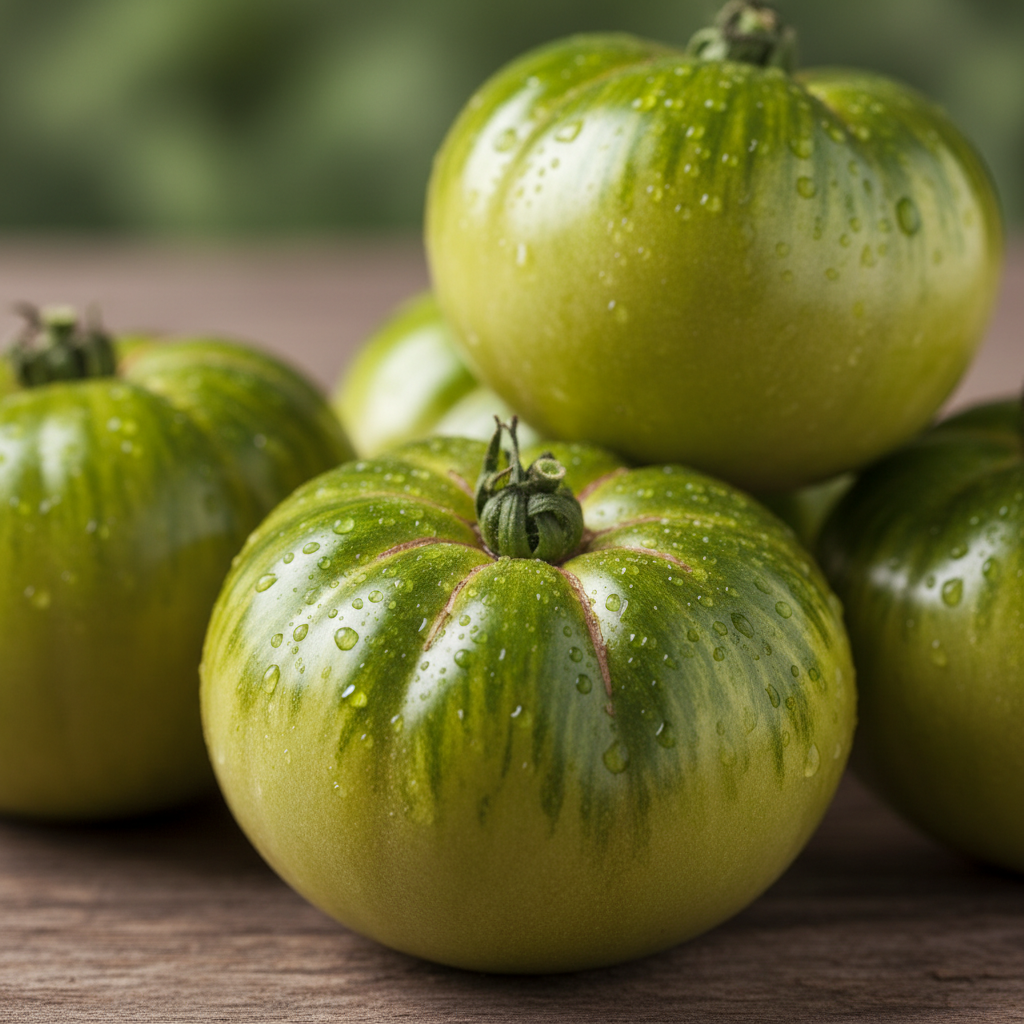
Green Zebra
3–4 ozTom Wagner, 1983
“Tart, bright, grassy — contrasts everything”
Best for: Visual contrast plates, gazpacho, raw tart element
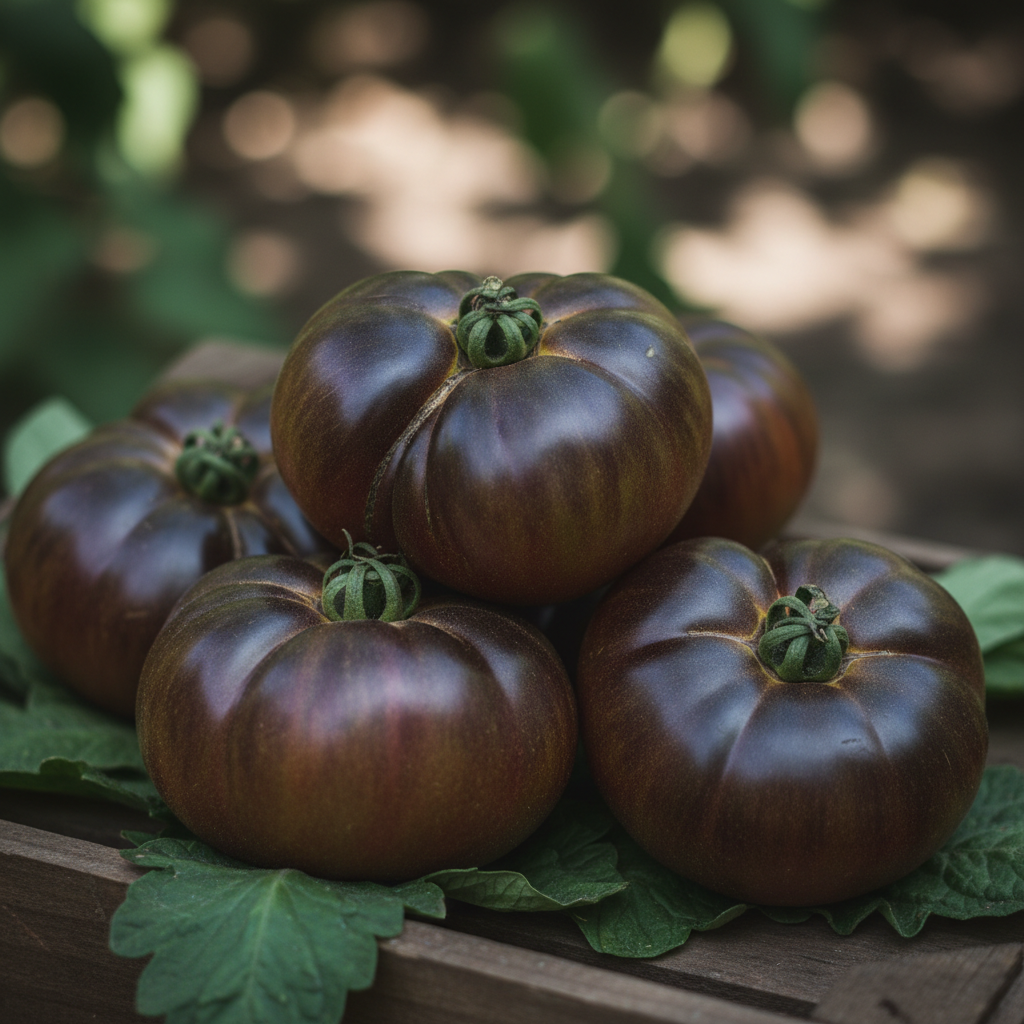
Black Krim
8–12 ozCrimea, Ukraine
“Salty-sweet, deep umami, earthy”
Best for: Umami-forward dishes, reduction sauces, tartare
+ 5 more varieties available seasonally · Check current availability
Three Kinds of Serious
We don't sell to everyone. We sell to people who already know the difference — and want to stop paying commodity prices for commodity results.
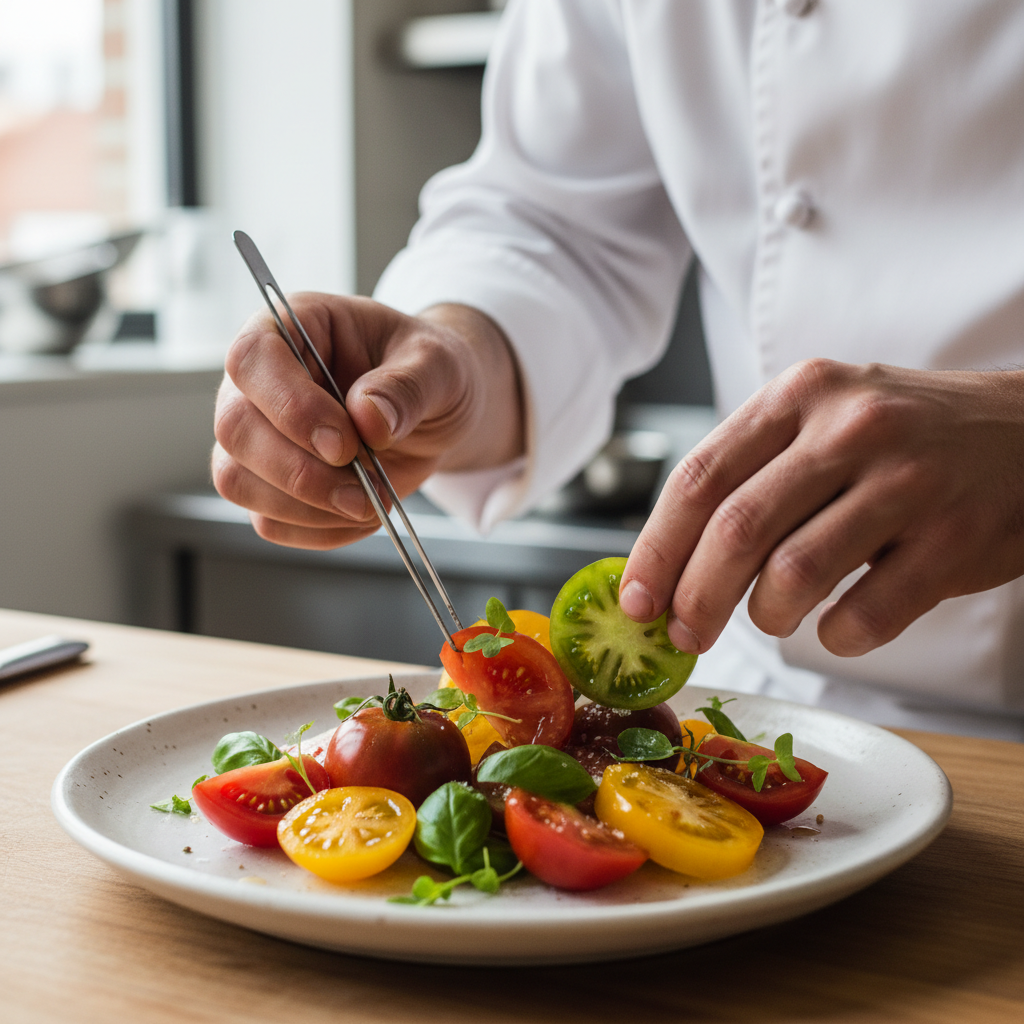
Restaurant accounts, all within 60 miles
Named cultivars by the case. No surprises.
You call and say "two cases Cherokee Purple, one case Sun Gold, whatever Brandywine you have." We pick it that morning. You get a delivery window, a Brix reading from that day's harvest, and a farm phone number — not a customer service line. If we have a bad week, we tell you before you taste it.
Minimum: 1 case (20 lbs) · Delivery: Tuesday & Friday · Lead time: 48 hrs
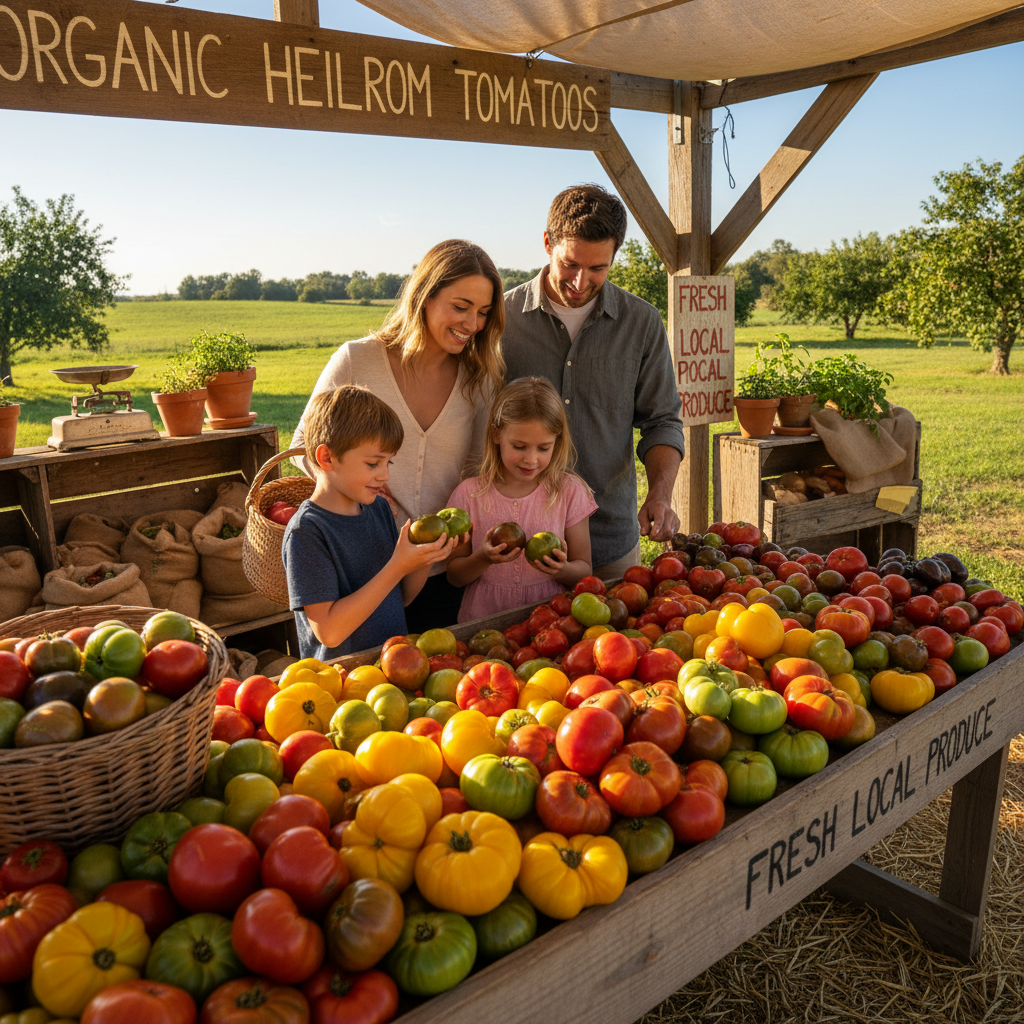
CSA families, 3-year average retention 91%
Ugly fruit with actual flavor.
We don't grade for cosmetics. A cracked Cherokee Purple that split from sugar pressure is better eating than a perfect-looking tomato that's never seen stress. You get what ripened that week — which means some weeks are Sun Gold weeks and some weeks are Brandywine weeks. That's farming, not a subscription box.
Weekly shares: 8 lbs ($38) or 15 lbs ($68) · Pick-up or delivery · 20-week season
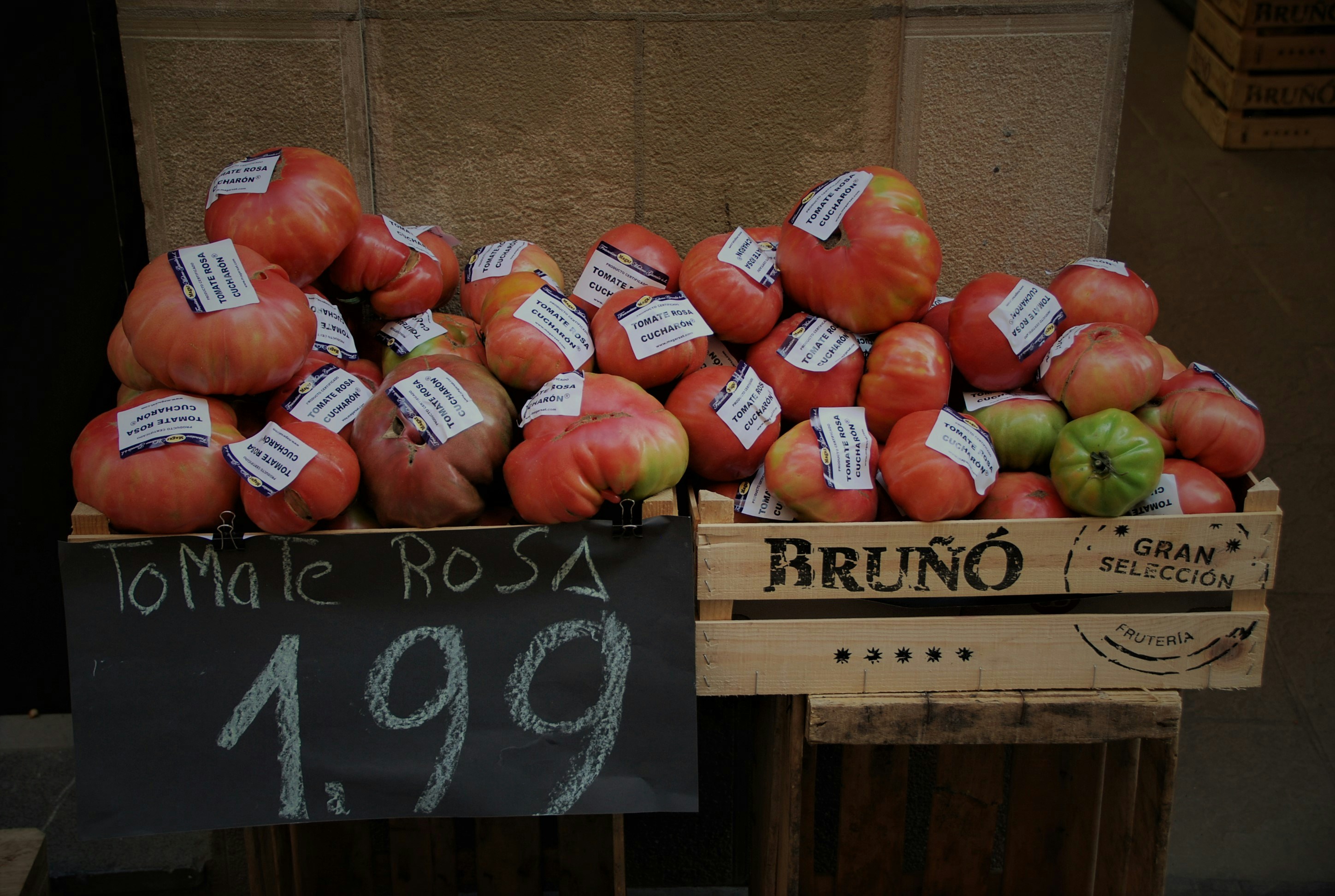
Grocery accounts, zero returns in 3 seasons
The story is already written. You just tell it.
Your customers are asking why your tomatoes cost more. Here's the answer: 22 Brix sugar content. 24-hour harvest-to-shelf. Named cultivars with documented provenance. Dry-farmed on 9,200 plants by one family. We provide signage, tasting notes, and varietal cards. You provide the shelf space.
Wholesale pricing · Minimum 3 cases/variety · Twice-weekly restocking available
Ready to taste the difference?
Current varieties, case pricing, and this week's delivery windows. No account required to browse.
See What's Ripe This WeekUpdated every harvest morning · No cold storage · No middlemen